Cheers to the journey: The Campus Crucible: From No-Laptop IT Freshman to Lead Software Engineer
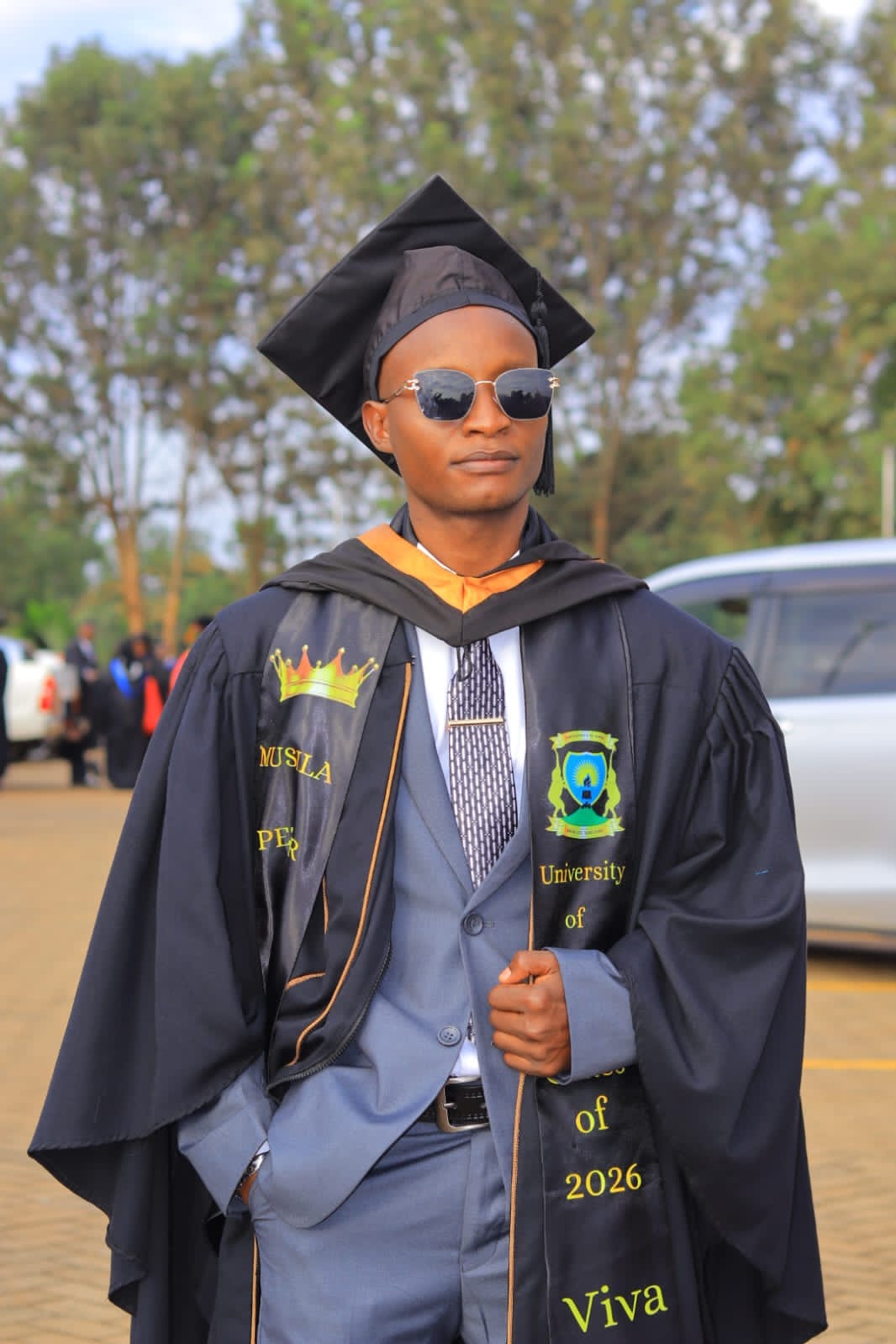
Every Kenyan undergraduate knows the exact thrill of that first week on campus. It is an intoxicating rush of newfound freedom—a sudden release from the strict bells, roll calls, and rigid timetables of high school. You arrive clutching a freshly minted admission letter, a head buzzing with ambitious dreams, and the unwavering belief that you are about to conquer the world.
Very quickly, however, the romanticized veneer of campus life peels away, replaced by the gritty, undeniable realities of survival.
When the Higher Education Loans Board (HELB) disbursement inevitably dries up midway through the semester, you discover reserves of resilience you never knew you possessed. You learn the extreme survival tactics: stretching a hundred shillings across three days of meals, mastering the art of the perfect ugali-sukuma combo, and navigating the emotional rollercoaster of early adulthood.
My journey at the University of Embu, pursuing a Bachelor of Science in Information Technology, began with all of these standard campus struggles—plus one massive, glaring handicap:
I was an IT student without a laptop.
In a discipline where your entire academic existence revolves around compiling code, running local servers, and debugging systems, walking into lecture halls empty-handed felt like stepping onto a battlefield without a shield.
Year One: The Pen-and-Paper Developer
The first year was a grueling test of willpower and logistical discipline. While peers retreated to hostels to comfortably type out assignments to background music, my reality was tied to the university computer labs.
Time management ceased to be a motivational buzzword; it became my literal lifeline. I mapped out weekly schedules with military precision, tracking when labs were empty and library shifts turned over.
1
2
3
4
5
      [ Logic & Syntax ]             [ Scarcity Window ]               [ Verification ]
┌────────────────────────────┐    ┌──────────────────────┐    ┌───────────────────────────────┐
│ Draft on Scrap Paper / Biro │ ─► │ 30-Min Lab Machine   │ ─► │ Debug & Commit to Memory      │
│ Mental Execution & Tracing │    │ (Queues & Contention)│    │ No IDE safety net / Pure grit │
└────────────────────────────┘    └──────────────────────┘    └───────────────────────────────┘
I wrote my first lines of code on scrap paper. I would sit at a wooden desk, tracing out basic logic, nested loops, and conditional branches with a biro pen, visualizing execution flow and memory state entirely in my head before queuing for a 30-minute slot on a shared lab machine to test it.
[!NOTE] That period of extreme scarcity was a hidden blessing. Without an IDE or autocomplete to catch syntax mistakes, I was forced to understand fundamental runtime behavior and type mechanics with meticulous accuracy.
Financial discipline also became second nature. Budgeting was not merely about saving coins; it was about buying machine time. Every shilling preserved meant an occasional paid hour at a cyber café when university labs were booked solid during exam peaks. Essentials were stripped to the bone: rent, sustenance, internet bundles, and code.
The Turning Point: A Worn-Out Machine and The Code Paradox
Everything shifted during my second year. Through sheer grit, disciplined saving, and opportune timing, I acquired my first laptop.
It was not a sleek, high-end developer machine. It was a heavy, second-hand workhorse with a battery that barely held a charge off the wall socket. But when that power button clicked and the cooling fan roared to life, it felt like holding the keys to the universe.
Yet, that newfound access introduced a brand-new trap: The Code Paradox.
When you finally have the hardware to build anything, what do you actually build? And in what language?
I plunged headfirst into tutorial hell. Should I learn PHP because local agencies were hiring for it? Should I chase the hype surrounding Go or Rust? The internet was a cacophony of conflicting roadmaps.
Realizing I was spinning my wheels without momentum, I sought out practitioners. I attended campus tech meetups, sat in the front rows, and asked senior engineers a fundamental question: “How do I actually bridge the gap from hobbyist to engineer?”
Their counsel was unanimous: Ignore syntax wars. Master the core building blocks of computer science.
Grounding the Stack: DSA, Python, and JavaScript
Following their guidance, I anchored my studies in Data Structures and Algorithms (DSA). Mastering arrays, linked lists, hash maps, recursion, and graph traversals fundamentally rewired my problem-solving approach. Code stopped being arbitrary lines of script; it became a structured flow of data through state transitions.
Once the foundation was concrete, I selected a high-utility stack:
- Python for backend services, data manipulation, and Artificial Intelligence pipelines.
- JavaScript / TypeScript with React and Next.js for responsive, reactive frontend architectures.
Backend Data Transformation (Python)
1
2
3
4
5
6
7
8
def clean_text_data(raw_text: str) -> str:
    """
    Standardize text inputs for natural language processing and RAG indexing.
    Eliminates inconsistent whitespace and normalizes casing.
    """
    if not raw_text:
        return ""
    return " ".join(raw_text.strip().lower().split())
Reactive Frontend Telemetry (TypeScript / JS)
1
2
3
4
5
6
7
8
9
10
11
12
13
interface SystemMetrics {
  uptime: number;
  activeSessions: number;
  memoryUsageMb: number;
}

const fetchSystemMetrics = async (endpoint: string): Promise<SystemMetrics> => {
  const response = await fetch(`/api/metrics/${endpoint}`);
  if (!response.ok) {
    throw new Error(`Failed to fetch telemetry from ${endpoint}: ${response.statusText}`);
  }
  return response.json();
};
With these tools cemented, I transitioned from consuming tutorials to architecting real-world solutions.
Building a Legacy: Leadership, Mentorship, and Real-World Impact
Technical acumen in isolation is insufficient. The people you surround yourself with dictate your trajectory. I chose to align myself with builders, late-night debuggers, and innovators.
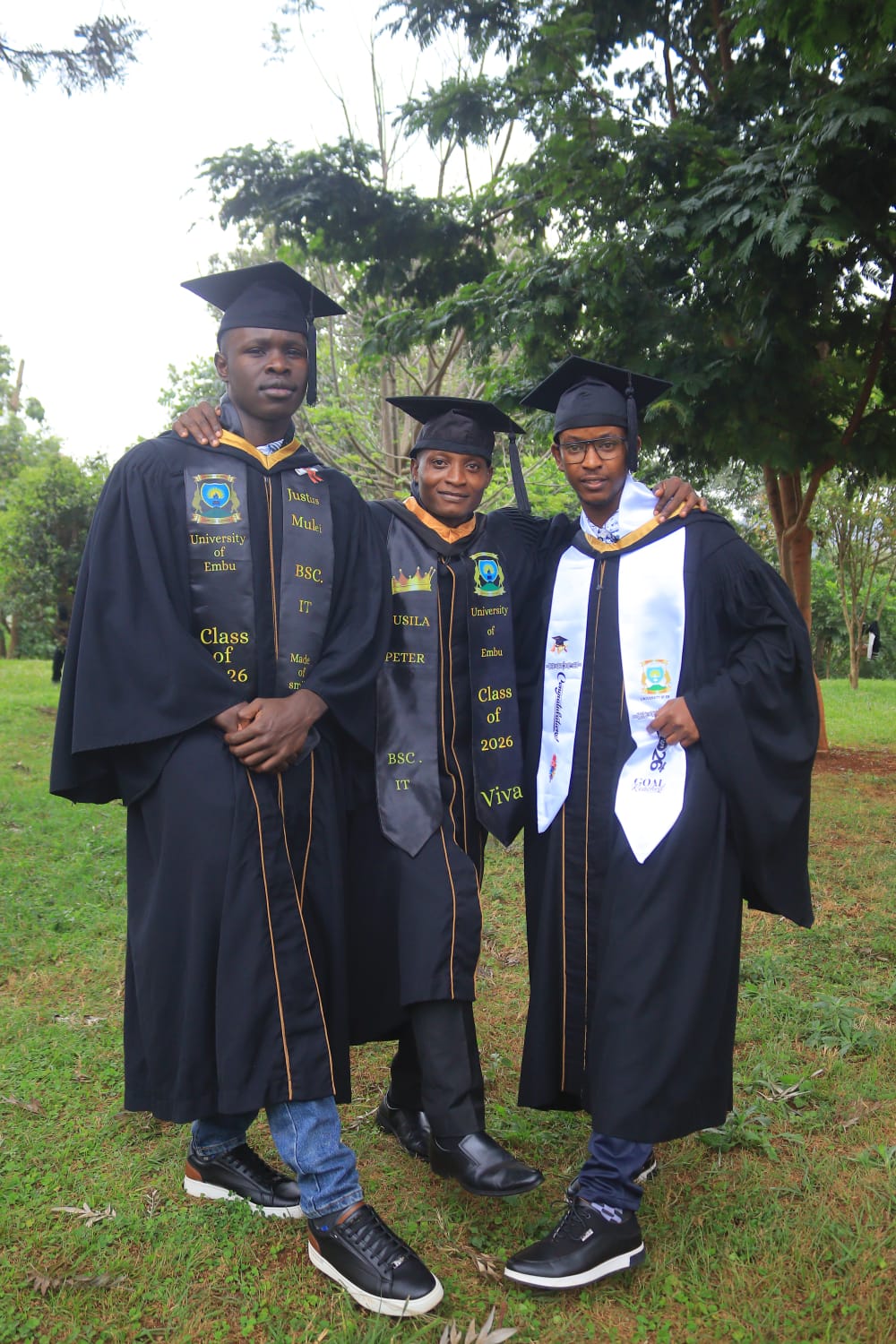 Surrounding myself with fellow builders, late-night debuggers, and dreamers: Musila Peter (@musilapeter) with the University of Embu Class of 2026.
1
2
3
4
5
6
7
8
9
10
                   ┌──────────────────────────────────────────────┐
                   │    Community Leadership & Real-World Impact  │
                   └──────────────────────┬───────────────────────┘
                                          │
         ┌────────────────────────────────┼────────────────────────────────┐
         ▼                                ▼                                ▼
  [ Community ]                    [ Ventures ]                     [ Enterprise & AI ]
  • GDG Campus Leadership          • SaneGenius (Dev Ed)            • MarketForce (B2B E-Comm / CI/CD)
  • Founder: Responsible           • Cracksfox Ltd (CTO/Lead)       • LindaBot for ODPC
    Computing Club                 • Tecxify (Digital Services)       (RAG System / 95% Accuracy)
Community and Mentorship
- Google Developer Groups (GDG): Organized campus hackathons, Agentic AI sessions, and blockchain workshops.
- Responsible Computing Young Innovators Club: Founded and led the club at the University of Embu to mentor over 100 student developers in ethical AI practices, responsible tech, and production deployments.
Venture Architecture and Industry Experience
- SaneGenius: Spearheaded an open-source platform guiding early-stage engineers through modern development workflows.
- Cracksfox Limited: Served as Lead Software Engineer & CTO, directing team execution and high-performance web systems.
- Tecxify: Founded to deliver bespoke software architecture and cloud modernization for local enterprises.
- MarketForce (Nairobi): Refactored B2B e-commerce submodules, implemented robust CI/CD pipelines reducing deployment failures by 30%, and tuned database/API layers to slash latency by 25%.
- LindaBot (ODPC): Engineered an AI-driven retrieval system for the Office of the Data Protection Commissioner, indexing thousands of regulatory documents and achieving 95% response accuracy.
That aging second-hand laptop was running hot, compiling systems solving concrete, national-scale problems.
Carrying the Flag: A Network Across Counties
A university degree should not be confined to the walls of a single lecture hall. I pushed to represent our institution across regional and national stages:
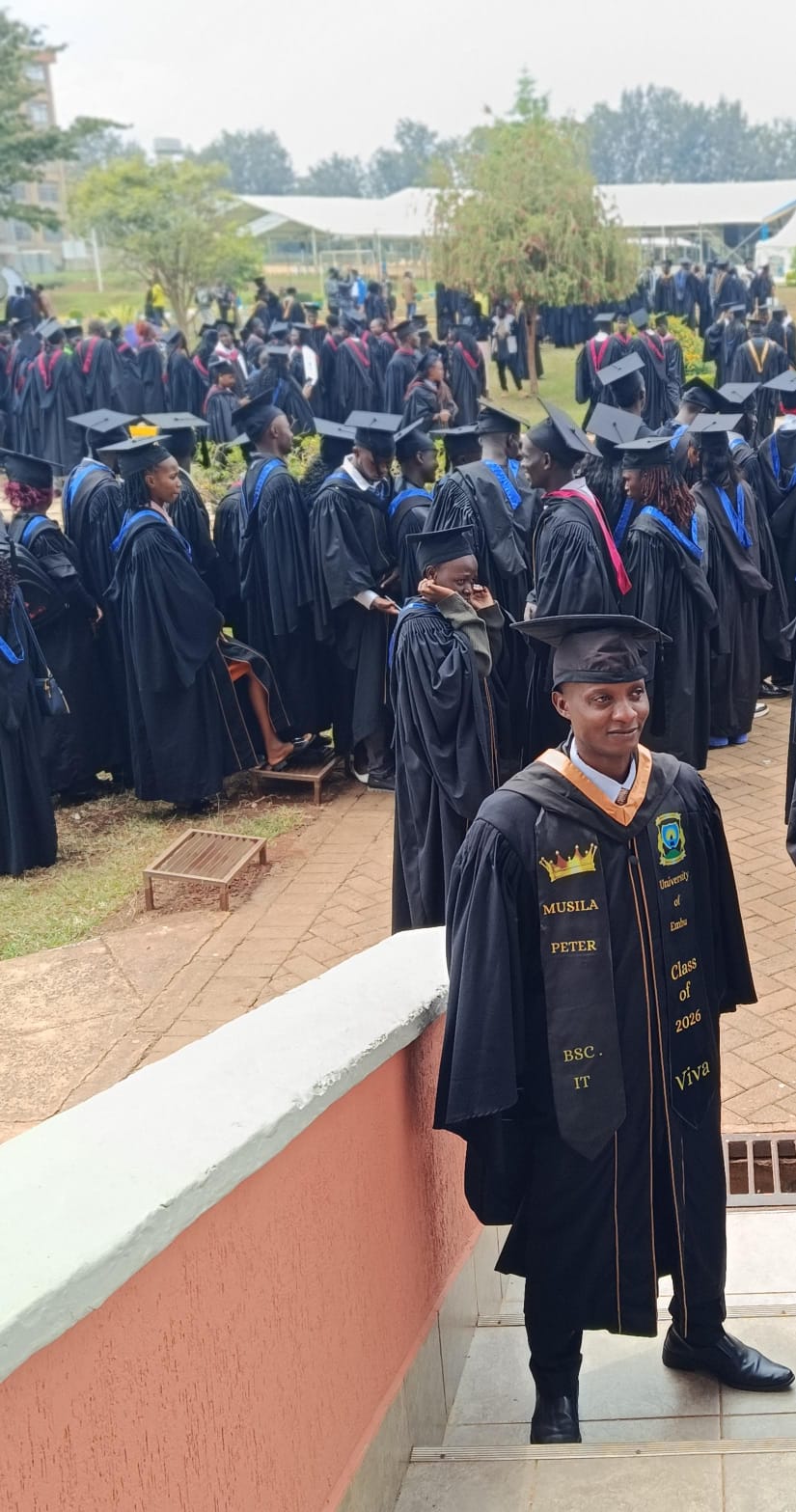 Standing among the graduating class at the University of Embu: Musila Peter (@musilapeter)—from writing code on scrap paper to walking the graduation stage.
| Venue / Stage | Role / Initiative | Core Focus |
|---|---|---|
| Kenya National Research Festival (Egerton Univ) | Innovation Lead | Poverty alleviation & assistive tech initiatives |
| 1st Kilimo Festival (Murang’a Univ of Tech) | Economic Empowerment Assistant | Agritech solutions & youth empowerment |
| KISE-EXPO 2024 | Science & Tech Representative | Assistive technologies & inclusive learning platforms |
| 17th IUCEA Forum | Exhibitor Services Coordinator | Inter-university regional research coordination |
| Helicode Hackathon (Karatina Univ) | Competitive Lead (1st Runners Up) | 48-hour intensive system prototyping |
Every handshake, long-distance bus ride, and project pitch expanded my perspective. A degree may get your resume reviewed, but your portfolio and network secure your seat at the decision-making table.
The Unspoken Challenge: Guarding Mental Health
This relentless pace came with a significant tax. Balancing rigorous academic requirements in BSc IT with startup leadership, AI production deployments, and national travel was a recipe for acute burnout.
There were weeks when critical project deadlines collided head-on with university exam blocks while production environments threw unexpected runtime errors.
[!WARNING] High performance without intentional rest is a vulnerability. Mental health is not a luxury perk; it is an architectural requirement for long-term engineering sustainability.
I had to institute the same strict discipline for self-care that I applied to code deployments:
- Hard cut-offs: Stepping away from the screen for physical exercise and sleep.
- Peer vulnerability: Normalizing open conversations with mentors and peers when workloads peaked.
- Decoupling self-worth from uptime: Recognizing that being overwhelmed is a signal to rebalance, not an admission of inadequacy.
Aiming for the Moon: The Horizon Ahead
Looking back across the finish line—having officially graduated from the University of Embu with Second Class Honours (Upper Division) and a GPA of 3.45—I often reflect on the young man who first walked onto that campus with no laptop and nothing but raw ambition.
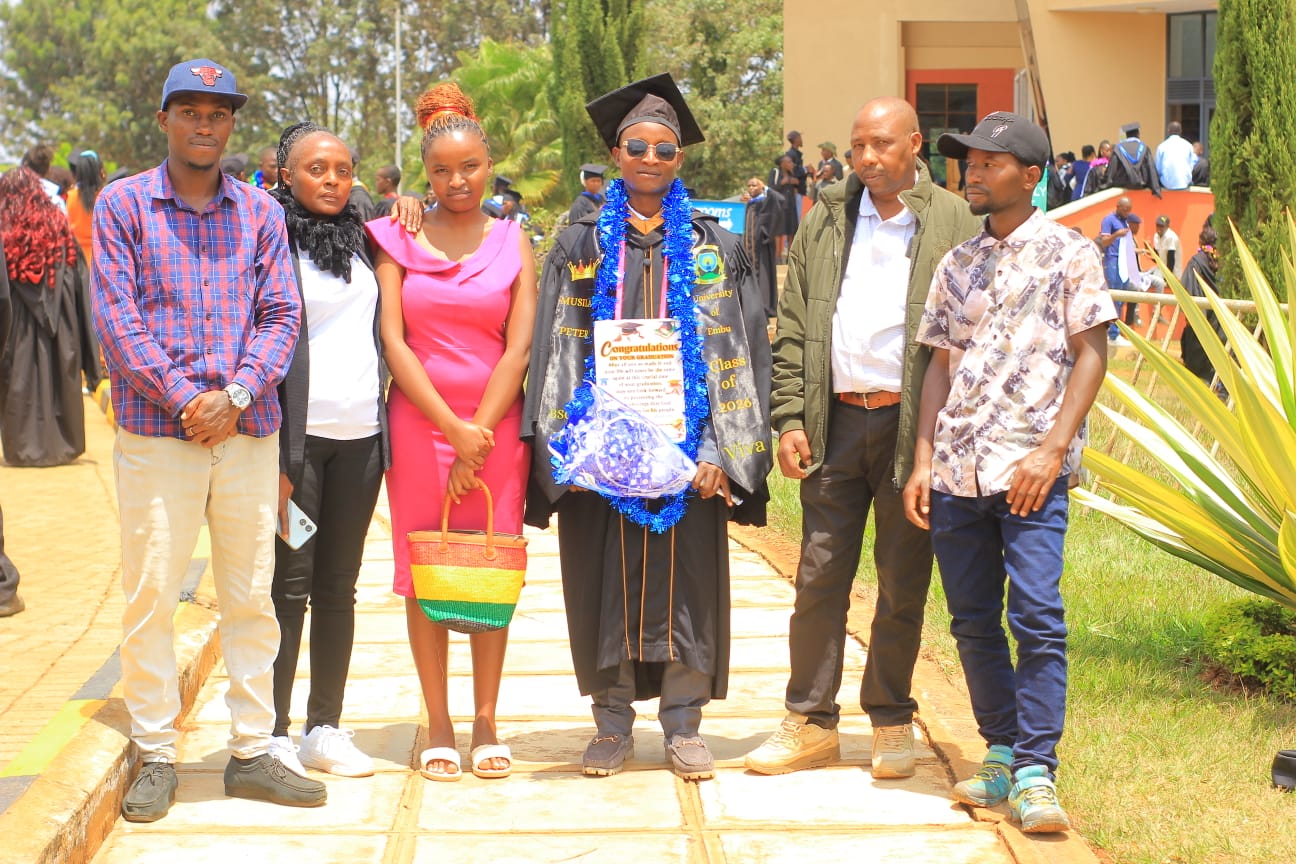 A shared milestone: Musila Peter (@musilapeter) celebrating the culmination of the undergraduate journey with family and supporters.
University was a forge. It tested endurance through financial scarcity, tight lab schedules, academic pressure, and high-stakes startup deadlines, ultimately refining me into a resilient engineer and leader.
To the student currently writing logic on lined scrap paper or rationing lab hours: lean into the constraint.
- Protect your focus fiercely.
- Budget your limited resources with intention.
- Build projects that solve tangible human problems.
- Curate your network with people who elevate your standard.
Graduating with honors is a milestone I take deep pride in, but in the grand architecture of my career, it is the launchpad. The foundation is set. I am now setting my sights toward advanced graduate research to push the frontiers of intelligent systems and applied AI—engineering scalable technologies that democratize education, streamline African logistics, and solve complex socioeconomic challenges across the continent and beyond.
The journey from a pen-and-paper coder to a Lead Software Engineer architecting production AI was built on discipline, relentless iteration, and an uncompromising belief in the vision.
Stay disciplined, keep shipping, and never let the limitations of your starting line dictate the altitude of your dreams.